Puerto Vallarta for Digital Nomads: Great Idea or Instagram Fantasy?
Puerto Vallarta for Digital Nomads: Great Idea or Instagram Fantasy?

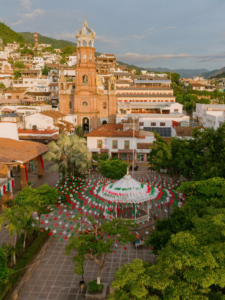
Beachfront laptops, reliable Wi-Fi, affordable living, and margaritas after work. Sounds like the perfect digital nomad lifestyle, right? Let’s have some TRU talk about what working remotely from Puerto Vallarta actually looks like in 2026.
Puerto Vallarta has become one of Mexico’s most attractive destinations for digital nomads, remote workers, freelancers, and Americans looking for a better work-life balance.
And for good reason.
Compared with many smaller towns and rural destinations in Mexico, Puerto Vallarta is exceptionally accustomed to foreigners. English-language menus, international restaurants, excellent internet options, coworking spaces, coffee shops, modern apartments, and direct flights to major U.S. cities make living and working here relatively convenient.
You don’t have to give up modern conveniences to enjoy life by the Pacific Ocean.
But here’s where the Instagram version and the reality of living in Puerto Vallarta start to separate.
The Digital Nomad Boom — And What Changed
A few years ago, Puerto Vallarta was practically a remote worker’s dream.
American companies were allowing employees to work from almost anywhere. People earning U.S. salaries discovered they could rent an apartment in Puerto Vallarta, enjoy the beach after work, eat out regularly, and potentially spend significantly less than they would back home.
For many, moving to Puerto Vallarta was a genuine lifestyle upgrade.
But the circumstances that fueled that boom have changed.
More American employers have implemented return-to-office policies. Puerto Vallarta’s popularity has pushed up housing costs, particularly furnished short-term rentals. And the days of assuming you’ll automatically receive 180 days in Mexico as a tourist are no longer something you should plan around.
Meanwhile, social media is full of influencers and content creators explaining the five reasons you absolutely MUST move to Puerto Vallarta — followed by another five reasons you absolutely SHOULDN’T.
Some have lived here for a few months. Others are trying to turn their temporary Mexican adventure into a business.
Neither necessarily makes them wrong. But spending six weeks in an Airbnb and building a sustainable life in Mexico are two very different experiences.
Internet, Electricity, and Infrastructure: Can You Actually Work Remotely in Puerto Vallarta?
Yes. Infrastructure is one of Puerto Vallarta’s strongest advantages for digital nomads.
Many modern apartment buildings offer fiber-optic internet, and much of the city has access to good telecommunications infrastructure.
There are coworking spaces, coffee shops where working on a laptop is completely normal, and plenty of apartments suitable for a home office.
But there are a few things worth knowing:
- Internet: Don’t assume a beautiful Airbnb listing guarantees excellent Wi-Fi. Ask for an actual internet speed test before booking.
- Electricity: Power outages happen, particularly during heavy summer storms. If your work requires uninterrupted Zoom meetings, have a backup mobile connection.
- Coworking spaces: Puerto Vallarta offers dedicated workspaces, but working from a beachfront café isn’t always practical when you have meetings, background noise, and nowhere to plug in your computer.
- Air conditioning: During Vallarta’s hot and humid months, working from home without reliable AC can become uncomfortable. Running it all day also affects your electricity bill.
The infrastructure for remote work in Puerto Vallarta is here. You just need to choose your accommodation with your actual working needs in mind.
The Time Zone Advantage for American Remote Workers
For Americans and Canadians working remotely from Mexico, Puerto Vallarta’s time zone is another major advantage.
Vallarta operates on Central Standard Time year-round, making it relatively easy to coordinate with colleagues and clients across North America.
You can have a normal working day, finish your meetings, and still have time to walk along the Malecón, meet friends for dinner, or watch the sunset.
That part of the digital nomad fantasy is actually pretty accurate.
Just make sure your employer permits international remote work. Tax, payroll, data security, and employment policies can complicate an arrangement that looks perfectly simple from your laptop.
Is Puerto Vallarta Still Affordable for Digital Nomads?
This is where I think some of the older digital nomad advice needs updating.
Puerto Vallarta is not the inexpensive little Mexican beach town that some social media accounts continue to advertise.
Can you live here for less than in Los Angeles, San Francisco, or many other expensive American cities? Absolutely, depending on your lifestyle.
But if you want a modern furnished apartment, reliable internet, air conditioning, regular restaurant meals, and the conveniences you’re accustomed to in the United States, your expenses can add up quickly.
Short-term furnished rentals are especially expensive during the November–April high season.
And there’s another important difference: tourists and long-term residents often pay very different housing prices.
Someone booking furnished accommodation month to month through Airbnb may spend substantially more than someone who negotiates a six- or twelve-month lease directly with a landlord.
If you are constantly moving between rentals, you may never benefit from the lower costs associated with actually settling into Puerto Vallarta.
You also have to consider electricity, transportation, health insurance, coworking memberships, and occasional trips back to the United States.
The lifestyle can still offer excellent value. But value and cheap are not the same thing.
Mexico’s 180-Day Tourist Stay: What Digital Nomads Need to Know
This is probably one of the most misunderstood aspects of being a digital nomad in Mexico.
Many foreigners still assume they can arrive in Mexico and automatically stay for 180 days.
That’s not guaranteed.
Mexican immigration authorities can authorize a shorter stay, and travelers should never build a six-month accommodation or work plan around an assumption that they’ll automatically receive the maximum period.
Some visitors have reported receiving permissions for only 30 days, although that is not a universal rule or a fixed new maximum. The authorized period depends on the immigration decision in each case.
For digital nomads planning to stay in Puerto Vallarta for several months, this creates a real logistical concern.
You might sign up for an extended Airbnb stay, organize your work schedule, and settle into a routine, only to discover that your authorized visit is shorter than expected.
And simply leaving Mexico and returning does not guarantee another lengthy stay.
For those considering Mexican temporary residency, there are additional expenses, paperwork, appointments, and renewal requirements.
Mexico also does not offer a standalone immigration category officially called a digital nomad visa. Depending on your circumstances, temporary residency may be an option, but eligibility and permission to perform work in Mexico are separate questions that should be checked carefully.
And that brings us to an interesting contradiction.
If you apply for Mexican residency, establish a permanent apartment, open a bank account, and start building your life here, are you really still a digital nomad?
Or have you become a resident who happens to work remotely?
There is nothing wrong with either choice. But they require different planning, budgets, and commitments.
The Puerto Vallarta Lifestyle Is Real. But So Is Everyday Life.
Puerto Vallarta really is beautiful.
The ocean, mountains, restaurants, international community, outdoor activities, and social opportunities are not an Instagram invention.
And unlike some destinations where remote workers live almost entirely within a tourist bubble, Puerto Vallarta has an established community of local residents, foreign homeowners, retirees, business owners, and people who have built their lives here over many years.
That’s part of what makes the city special.
But it also means Vallarta isn’t necessarily designed around people who arrive for a few weeks, consume the lifestyle, and disappear.
Finding a good apartment, establishing friendships, understanding local pricing, learning some Spanish, and developing a routine all become easier when you give yourself time.
The real value of living in Puerto Vallarta isn’t just having a beach nearby.
It’s having a life here.
So, Is Puerto Vallarta Actually Good for Digital Nomads in 2026?
Infrastructure-wise? Absolutely. Financially? It depends. Logistically? You need a plan.
If you have a stable remote income, permission to work internationally, a realistic housing budget, and enough flexibility to navigate Mexican immigration requirements, Puerto Vallarta can be an exceptional place to live and work.
If you’re arriving with a limited budget, hoping to survive on content creation, expecting dirt-cheap beachfront accommodation, or assuming you can remain indefinitely as a tourist, the experience may be less glamorous than advertised.
Puerto Vallarta isn’t necessarily the best place to chase the cheapest digital nomad lifestyle in Mexico.
But it can be an excellent place for someone who values comfort, accessibility, community, and a balance between work and everyday life.
And if your real intention is to stay for a year or longer, perhaps the better question isn’t whether Puerto Vallarta is a great digital nomad destination.
It’s whether Puerto Vallarta is somewhere you’d actually like to build a life.
Because, in my experience, Vallarta has far more to offer as a community than as a temporary backdrop for someone else’s Instagram feed.
The TRU Take
Puerto Vallarta isn’t a digital nomad fantasy. The infrastructure, lifestyle, and opportunities are real. But the cheap-living, unlimited-tourist-stay version of the story is increasingly outdated.
Come for the flexibility. Stay for the lifestyle. But make sure the numbers — and the paperwork — actually work.
At TRU Vallarta, I help people understand the real costs, housing options, immigration considerations, and practical realities of moving to Puerto Vallarta — without a sales agenda or a sugarcoated version of life in Mexico.
Before committing to months in a place you’ve only experienced through social media, let’s talk about what living here actually involves.
TRU Answers. Smarter Move.